6 Car Problems Mechanics Most Often Spot During an Oil Change
July 31, 2026
An oil change brings your vehicle into the shop before a warning light, strange noise, or breakdown necessarily occurs. While replacing the oil and filter, a technician can look beneath the vehicle, check accessible fluids, and notice wear that may be difficult to see from the driveway.
These findings are often small at first. A minor leak, uneven tire pattern, or aging belt may not require emergency service, but catching it early gives you time to plan the repair. Here are six common problems mechanics may discover during an oil change visit.
1. Engine Oil Or Coolant Leaks
Once the vehicle is raised, the technician can examine areas around the oil pan, drain plug, filter housing, valve covers, timing cover, and engine seals. Damp residue may indicate a slow seep, while fresh wetness or dripping suggests a more active oil leak.
Coolant leaks may leave white, pink, green, orange, or blue residue depending on the product used. Common sources include hoses, the radiator, water pump, reservoir, thermostat housing, and plastic fittings. Even a small leak deserves attention because falling coolant levels can eventually lead to overheating and major engine damage.
2. Uneven Or Damaged Tires
Tire problems are often easier to identify when the vehicle is on a lift. A mechanic may notice low tread, embedded nails, sidewall cracking, bulges, exposed cords, or a tire that has been slowly losing pressure.
Tread patterns can also reveal mechanical concerns. Wear along one edge may indicate an alignment issue, while cupping can be linked to weak shocks, loose suspension parts, or wheel balance trouble. Addressing the underlying cause helps protect the remaining tires and prevents the same damage from appearing on a replacement set.
3. Thin Brake Pads Or Uneven Brake Wear
Depending on the wheel design, some brake components may be visible during an oil change. If the tires are also being rotated, the technician can get a clearer view of the inner and outer pads, rotor surfaces, calipers, and brake hoses.
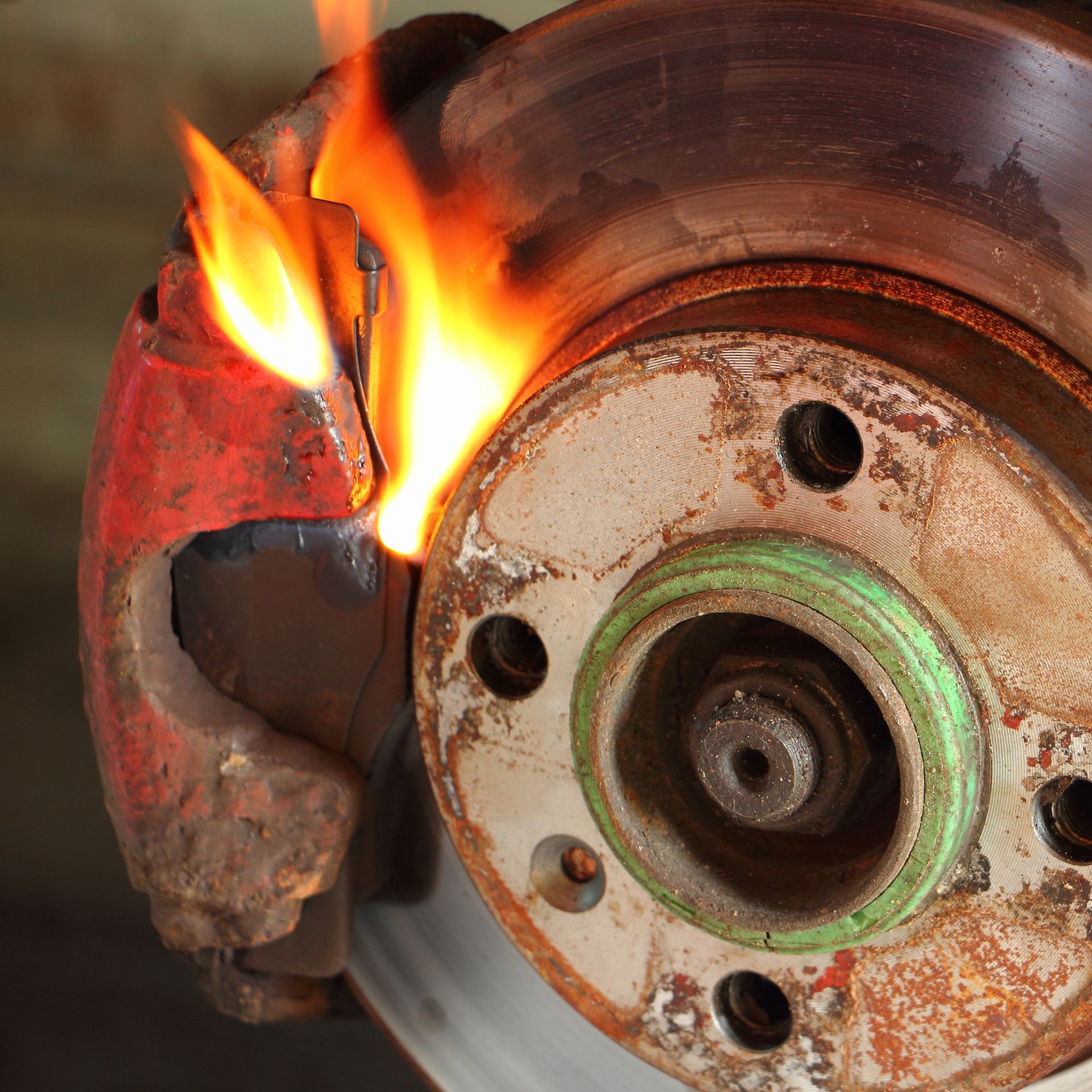
One pad wearing faster than the others can point to a sticking caliper, a seized slide pin, a restricted hose, or damaged hardware. Deep rotor grooves, heavy rust, excessive brake dust, or signs of overheating may also be found. Early brake service can prevent thin pads from wearing down to metal and damaging the rotors.
Mention any changes you have noticed before the appointment, including:
- Consistent squealing during braking
- Vibration through the steering wheel
- A soft or low brake pedal
- Pulling toward one side
- A burning odor near a wheel
- Longer stopping distance
These details help the technician decide whether the vehicle needs a more complete brake inspection beyond the checks included with the oil change.
4. Cracked Belts Or Aging Hoses
Drive belts operate components such as the alternator, water pump, power steering pump, and A/C compressor, depending on the vehicle. Cracks, frayed edges, glazing, missing sections, or contamination from leaking fluid can indicate that a belt is approaching failure.
Hoses can become swollen, brittle, overly soft, or cracked near their connections. Dried coolant residue around a clamp may expose a leak before it creates a puddle. Replacing a weakened belt or hose during planned service is far easier than dealing with a charging failure or overheated engine while driving.
The technician may also listen for tensioner or pulley noise. A new belt installed over a worn pulley or weak tensioner may not last, so the complete belt drive should be considered when abnormal movement or sound is present.
5. Low Or Contaminated Fluids
Engine oil is only one of several fluids your vehicle relies on. During the visit, a technician may check coolant, brake fluid, windshield washer fluid, power steering fluid on equipped models, and transmission fluid where it is accessible.
A low level may indicate a leak, component wear, or an overdue service. Brake fluid can fall as pads wear, but a sudden drop may point toward a hydraulic leak. Coolant should not repeatedly disappear, and transmission fluid loss can damage internal components if the level becomes too low.
Fluid color alone does not always determine whether replacement is needed. The manufacturer’s schedule, service records, operating conditions, and correct product specification should guide the recommendation. Mixing unsuitable coolant or transmission fluids can create additional problems.
6. Battery And Electrical Connection Problems
A battery can continue starting the engine while gradually losing capacity. During an oil change visit, a mechanic may notice corrosion around the terminals, loose cable connections, a swollen battery case, or signs that the battery is nearing the end of its expected life.
Testing can show how the battery performs under load and whether the alternator is charging it correctly. Slow cranking may also come from a damaged cable, weak ground, or worn starter rather than the battery itself. Checking the complete starting and charging system helps prevent unnecessary parts replacement.
Why Early Findings Can Reduce Repair Costs
A small problem usually provides more options than a complete failure. A minor leak may only require a gasket or hose, while continued fluid loss could damage an engine, transmission, or cooling system. Thin brake pads may be replaced before they destroy otherwise usable rotors.
Regular maintenance also creates a record of how the vehicle changes between visits. Measurements such as brake pad thickness, tire tread depth, and battery capacity help determine whether wear is progressing normally or accelerating. That information lets you prioritize safety concerns, plan future work, and avoid several repairs becoming urgent at once.
Get Full-Service Oil Change Care In Annandale, VA, With Shell Annandale Service
Shell Annandale Service in Annandale, VA, can replace your engine oil and filter while checking accessible fluids, tires, brakes, leaks, belts, hoses, and battery connections.